Finding the Best Dermatologist in Oakville
Medically reviewed by Dr. Kate Healy, MD – 2026-06-14
If you are searching for a dermatologist in Oakville, you are usually trying to sort out a skin concern and work out who is the right person to help. That depends on whether your need is medical, surgical, or cosmetic. The right provider is different for each, and knowing which one you need is most of the decision.
This page is meant to help you make that decision well — not to talk you into a particular clinic. Below I explain what dermatologists do, how medical, cosmetic, and surgical skin care differ, the questions worth asking any provider, and when you genuinely need a certified dermatologist rather than a physician-led aesthetics clinic.
What does a dermatologist actually do?
Dermatology is a recognised medical specialty. A certified dermatologist has completed medical school, then several additional years of specialist residency training focused entirely on the skin, hair, and nails. In practice, that training spans a wider range than most people expect, and it helps to think of it in three overlapping areas.
Medical dermatology is the diagnosis and treatment of conditions and diseases affecting the skin, hair, and nails. This covers things like acne, eczema, psoriasis, rosacea, and skin infections, as well as the assessment of moles and lesions and screening for skin cancer. This is the part of dermatology concerned with your health rather than your appearance.
Surgical dermatology is the procedural side: biopsies to find out what something is, the removal of cysts and lesions, and surgery for skin cancer. These are clinical procedures carried out for medical reasons, and they sit firmly within a dermatologist's scope.
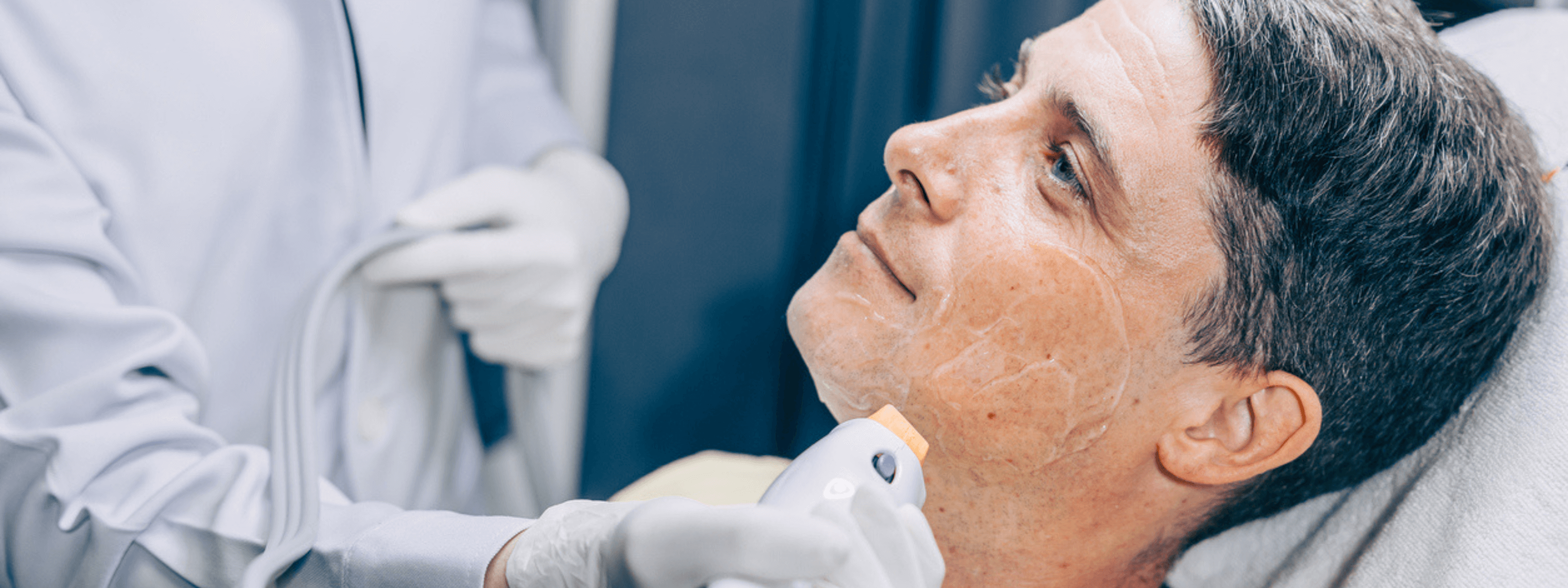
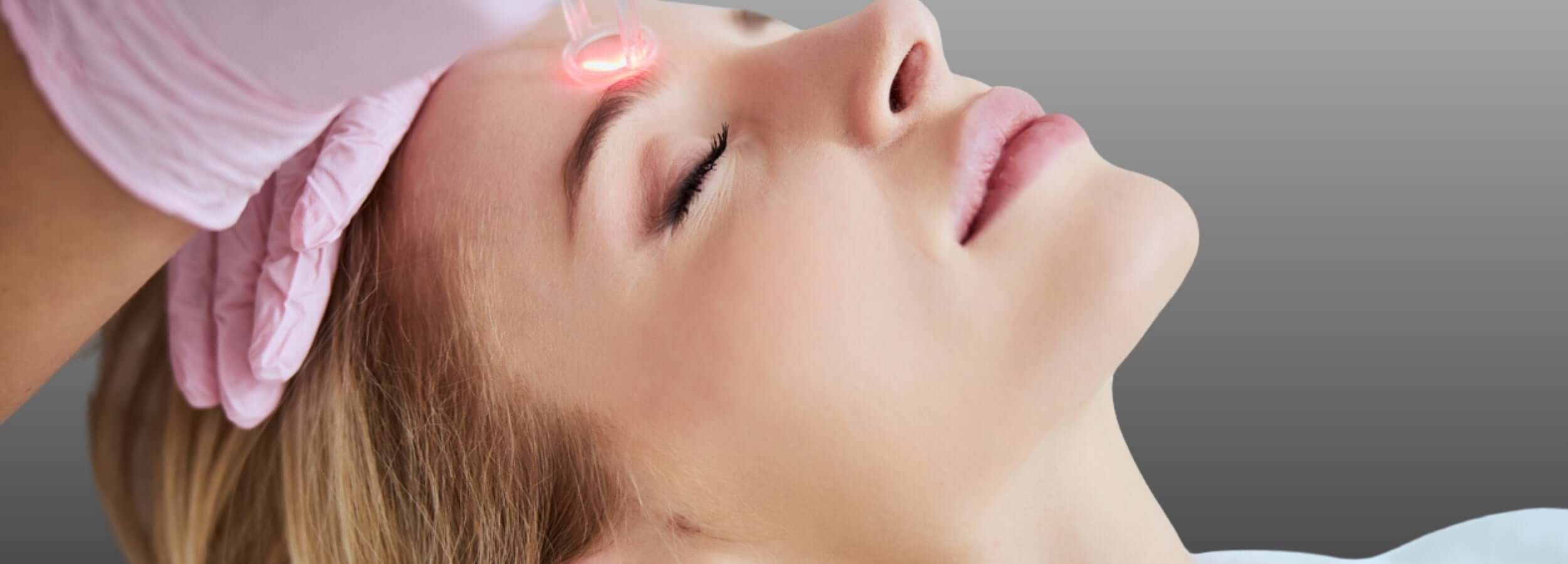
Cosmetic and aesthetic dermatology focuses on the appearance and quality of the skin. It includes treatments such as injectables, laser and light therapies, microneedling, chemical peels, and medical-grade skincare. The aim here is to improve texture, tone, and the visible signs of ageing rather than to treat disease.
It also helps to think about a second line that runs through all of this: the difference between surgical and non-surgical care. Some treatments are invasive and involve cutting or removing tissue. Others are non-surgical or minimally invasive — injections, energy-based devices, topical programmes — with little or no downtime. The same concern can sometimes be approached either way, which is one reason a proper assessment matters before anything is decided.
Where Merrion fits in. Merrion Medical Aesthetics is a physician-led clinic offering cosmetic and medical-aesthetic care, all of it non-surgical. We do not provide medical or surgical dermatology. If you have a suspected skin cancer, a mole that is changing, a rash or skin condition that needs to be diagnosed, or anything that may need a biopsy or excision, the right person to see is a certified dermatologist — and your family doctor can usually point you in that direction. Being clear about this is, I think, the most useful thing a clinic can tell you.
Medical, cosmetic, or surgical — how to tell which kind of care you need
Most people arrive at the search bar with a concern rather than a category, so here is a simple way to place yours.
If something about your skin worries you as a health matter — it is painful, spreading, bleeding, not healing, or a mole or spot that is changing in size, shape, or colour — that points toward medical, and possibly surgical, dermatology. This is the territory of a certified dermatologist, and in Ontario the route is often through your family doctor.
If you are well, and the goal is to improve how your skin looks or feels — softening expression lines, evening out tone, improving texture, or addressing the gradual changes of ageing — that is cosmetic or aesthetic care. A physician-led aesthetics clinic or a cosmetic dermatologist would be appropriate here.
And then there is the grey area, which is where a lot of real concerns actually live. Acne, rosacea, pigmentation, and melasma can each have both a medical and a cosmetic dimension. Persistent or severe acne, for instance, may need a medical work-up before any cosmetic treatment is sensible. A good provider will be honest with you about which part of your concern they can help with, and when something should be assessed medically first.
Questions to ask when choosing a skin provider in Oakville
You do not need to be an expert to choose well — you just need to ask good questions. This is a short checklist you can take to any clinic, ours included.
- Is the provider a licensed physician, and where can I verify that? Any doctor practising in Ontario is listed on the CPSO Public Register, which you can search by name. It is a quick way to confirm someone is who they say they are.
- Are they a certified dermatologist, a physician with focused aesthetic training, or a non-physician practitioner — and what does that mean for my concern? Each is appropriate for different needs; the title matters less than the match.
- Who actually performs the treatment, and who supervises it? It is reasonable to ask whether the physician treats you directly or oversees someone who does.
- Will I have a proper assessment before any treatment is recommended? A considered plan should come before a needle.
- What is their experience with my specific concern and skin type? Skin behaves differently across tones and ages, and experience with yours is relevant.
- Do they offer a genuine range of options — medical-grade skincare as well as in-clinic treatments — rather than a single fix for everything?
- How do they handle side effects, complications, and follow-up? Ask what happens if something does not go to plan, and whether review is built in.
- Can they show consented, realistic before-and-after results? Honest examples are more useful than dramatic ones.
- Is pricing transparent, including any consultation fee? You should understand what you are committing to before you commit.
- When would they send me to a certified dermatologist instead? A provider who can tell you where their scope ends is a provider you can trust within it.
When to see a certified dermatologist vs a physician-led medical aesthetics clinic
These are not competing options so much as different tools for different jobs.
See a certified dermatologist when the question is medical or surgical: a suspected skin cancer, a changing or unusual mole, a skin condition that needs to be diagnosed, or anything that may require a biopsy or excision. Dermatologists also treat complex or stubborn cases of conditions like acne and eczema, and their specialist training is exactly what those situations call for.
A physician-led medical aesthetics clinic like Merrion is the right fit when you are well and your goals are cosmetic — improving the appearance, texture, and tone of your skin through non-surgical, medically guided treatment. The advantage of a physician-led setting is that the same clinical judgement used in medicine is applied to aesthetic decisions: careful assessment, honest expectations, and a plan built around you rather than a menu.
There is no shame in starting in the wrong place. If you book with us and your concern turns out to need a dermatologist, we will tell you plainly.
Physician-led skin care at Merrion
Merrion Medical Aesthetics is led by Dr. Kate Healy, family physician (medical aesthetics), a family physician (CFPC, MICGP) with advanced training in medical aesthetics. The clinic offers non-surgical, medically guided treatments — injectables, skin treatments such as microneedling and laser, and medical-grade skincare — with an emphasis on individualised plans and natural-looking results.
Every treatment begins with a consultation, because the most important part of any plan is understanding your skin, your concern, and what you actually want before anything is recommended. If you are not sure where to begin, you can take the skin quiz or explore skin concerns we treat, and when you are ready you can book a complimentary consultation.
Frequently asked questions
Is there a dermatologist in Oakville? Yes. There are dermatology practices in and around Oakville and the wider west GTA. To confirm that any provider is a licensed physician — and to check their specialty — you can search the CPSO Public Register by name.
Do you need a referral to see a dermatologist in Ontario? For a medical dermatology consultation, you generally need a referral from your family doctor or another physician — both to be seen and for the visit to be covered by OHIP. Cosmetic consultations are usually arranged privately and often do not require a referral. Rules and coverage can vary, so it is worth confirming with the specific clinic.
What is the difference between a dermatologist and a medical aesthetics clinic? A certified dermatologist is a specialist who diagnoses and treats diseases of the skin, hair, and nails, and who can carry out surgical procedures such as biopsies and excisions. A physician-led medical aesthetics clinic focuses on non-surgical, cosmetic treatment of the skin's appearance and texture. The two overlap in cosmetic dermatology but differ in scope: medical and surgical skin care belongs with a dermatologist.
How can I check whether a skin provider is a licensed physician? Search the CPSO Public Register by the provider's name. Every doctor licensed to practise in Ontario is listed there, along with their registration status and specialty.