Skip to content

Cart

Your cart is empty

Rosacea Hero

Persistent Redness & Flushing

How to Calm and Treat Rosacea in Oakville

Thoughtful, personalised care to calm redness, manage flare-ups, and support sensitive, reactive skin.

Book Complimentary Consultation

Rosacea Treatment in Oakville | Facial Redness Relief

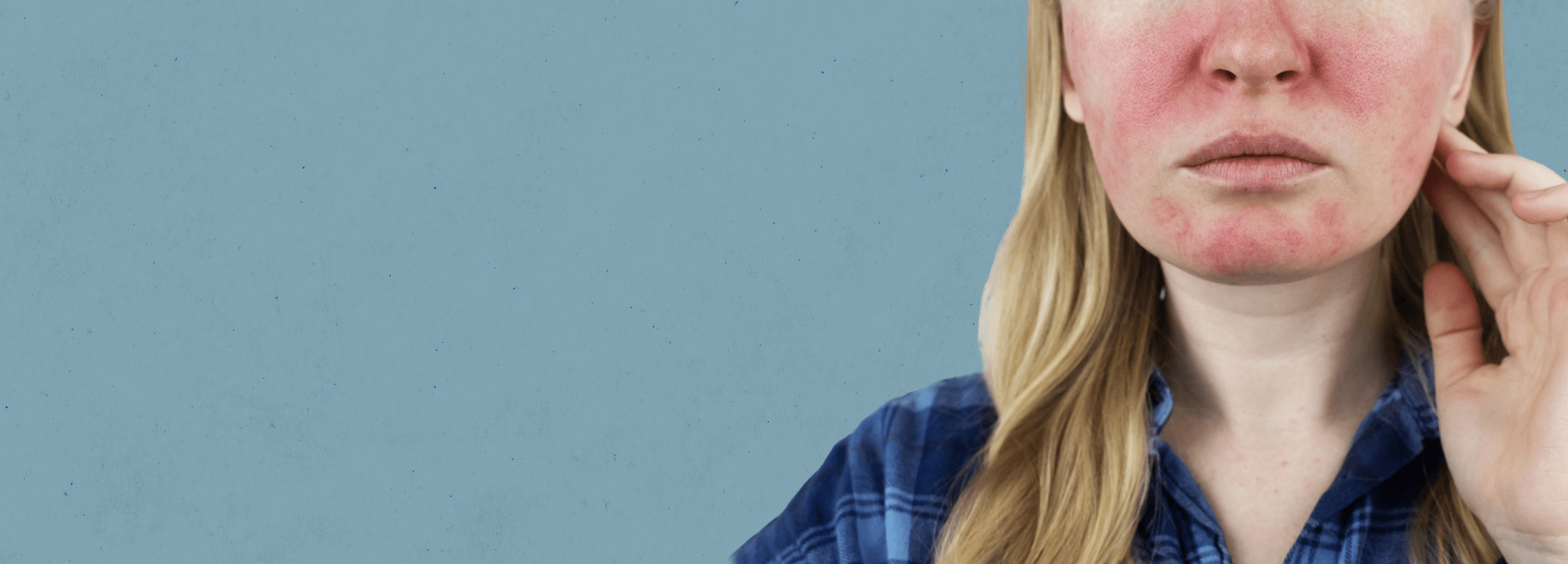
Rosacea is a common facial skin concern that often causes persistent redness, flushing, visible blood vessels, sensitivity, and sometimes acne-like bumps. For many people, rosacea tends to come and go at first, then become more noticeable over time if triggers are not well understood.

Heat, sun exposure, exercise, alcohol, spicy foods, stress, and certain skincare products can all play a role, but every pattern is a little different. Rosacea can also be mistaken for acne, irritation, or simply sensitive skin, which is why an accurate assessment matters. In addition to redness, some people experience burning, dryness, swelling, or a rough, reactive skin barrier.

This page provides an introduction to rosacea, including how it may appear, which areas are commonly affected, and what treatment options may help calm visible redness and improve skin comfort. The aim is a personalized plan that supports clearer, more stable skin while respecting the fact that rosacea is often a long-term condition that benefits from consistency rather than aggressive treatment.

What Causes Rosacea and Redness?

Rosacea and facial redness are common concerns, but the exact cause of rosacea is not fully understood. In most cases, it appears to develop through a mix of underlying skin tendencies and outside triggers, which is part of why redness can flare and settle over time.

Icons 1

A tendency toward facial flushing and reactive blood vessels

One of the main reasons rosacea develops on the face or cheeks is that some people naturally flush more easily and have blood vessels that react more strongly to heat, emotion, or other triggers. Over time, this can make redness more noticeable and more persistent. In some people, rosacea is not always red every day, but flushing is often part of the pattern.

Icons 2

Inflammation and an over-reactive skin response

When people ask what rosacea is caused by, part of the answer is that rosacea-prone skin often seems more reactive and more likely to become inflamed. This can contribute to ongoing redness, warmth, sensitivity, stinging, and sometimes acne-like bumps. What really causes rosacea to develop is likely more complex than one single factor, and the pattern can vary from person to person.

Icons 3

Heat, sun, alcohol, spicy foods, and other flare triggers

Many patients notice that certain triggers for rosacea redness make symptoms worse, even if they do not cause rosacea from scratch. Heat, sun exposure, alcohol, spicy foods, exercise, and emotional stress are common examples. These are often what causes rosacea flare-ups or makes rosacea worse in someone who is already prone to facial redness.

Icons 4

Skin barrier irritation and harsh products

Rosacea-prone skin is often less tolerant of irritation. Over-exfoliation, fragranced products, harsh cleansers, strong active ingredients, and environmental stress can all make redness, burning, or dryness more noticeable. This is one reason rosacea can seem to come and go. In some people, the skin settles when irritation is reduced, then flares again when the barrier is stressed.

Icons 5

Microorganisms and other underlying factors

Researchers also believe that microorganisms such as Demodex mites may play a role in some people, alongside immune, inflammatory, and possibly genetic factors. This does not mean mites are the sole cause of rosacea outbreaks, but they may contribute in certain cases. In more advanced rosacea, ongoing inflammation can also lead to skin thickening, though that is not something everyone experiences.

Common Areas Affected

From cheeks and nose to the forehead and even the eyes, rosacea can appear in different ways. At Merrion Medical Aesthetics in Oakville, Dr. Kate Healy tailors each treatment to your unique pattern of redness, helping you achieve calmer, clearer, and more confident skin.

Redness Icon

Cheeks

Rosacea most commonly affects the cheeks, causing persistent redness, visible blood vessels, or bumps. Treating this area can help restore a calmer, more even complexion, reducing self-consciousness in social situations.

Bunny Lines Icon

Nose

The nose is another frequent site for rosacea, often presenting with redness, swelling, or thickened skin over time. Early treatment is key to preventing progression, especially in cases of rhinophyma, which can be improved with medical and procedural therapies.

Forehead Lines

Forehead and Between Brows

Rosacea-related flushing and fine blood vessels can appear on the forehead or between the brows. Treatments here soften visible redness and smooth the skin, helping patients feel fresher and more confident day to day.

Lipstick Lines Icon

Around the Mouth

Papulopustular rosacea often affects the area around the mouth, leading to acne-like breakouts along with redness. A tailored combination of calming skincare, prescription options, and lifestyle changes can keep this area clear and comfortable.

Crows Feet Icon

Eyes (Ocular Rosacea)

Rosacea doesn’t just affect the skin — it can also cause irritation, dryness, or swelling in the eyes. Professional guidance ensures symptoms are managed safely, often with a combination of gentle skincare, eye care, and lifestyle adjustments.

Neck Icon

Neck and Chest (Triggers & Flushing)

Although less common, flushing related to rosacea may extend to the neck and chest. Sun protection, calming skincare, and professional treatments can help manage this extension and protect sensitive skin in these exposed areas.

Expert Landscape 2000 x 1400 Dr Kate

MB BCh BAO, MICGP, CFPC, Family Medicine

Dr. Kate Healy

"When patients come to me worried about redness, it’s often after years of frustration. The most important step is creating a plan that feels personal — calming flare-ups today while supporting your skin’s long-term health."
— Dr. Kate Healy

Book Complimentary Consultation

Rosacea FAQs

Ready to feel confident in your skin again?

Rosacea can look different from person to person, and triggers are not always obvious. A consultation can help clarify what may be contributing to redness or flushing and which treatment options may be appropriate for your skin.