Hormones
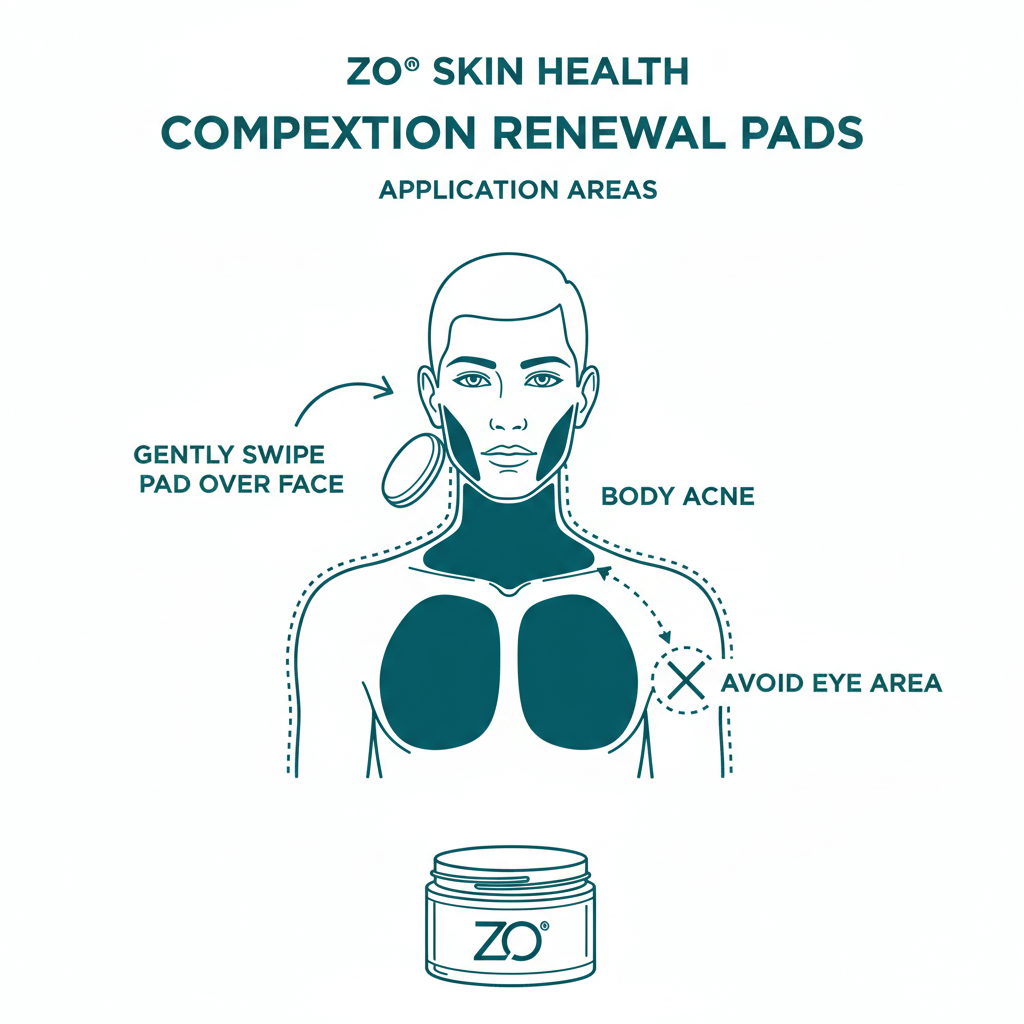
Pregnancy, the contraceptive pill and other hormonal changes are common triggers.

Hormone‑Sensitive Pigmentation
Ready for a calmer, long‑term approach to melasma?
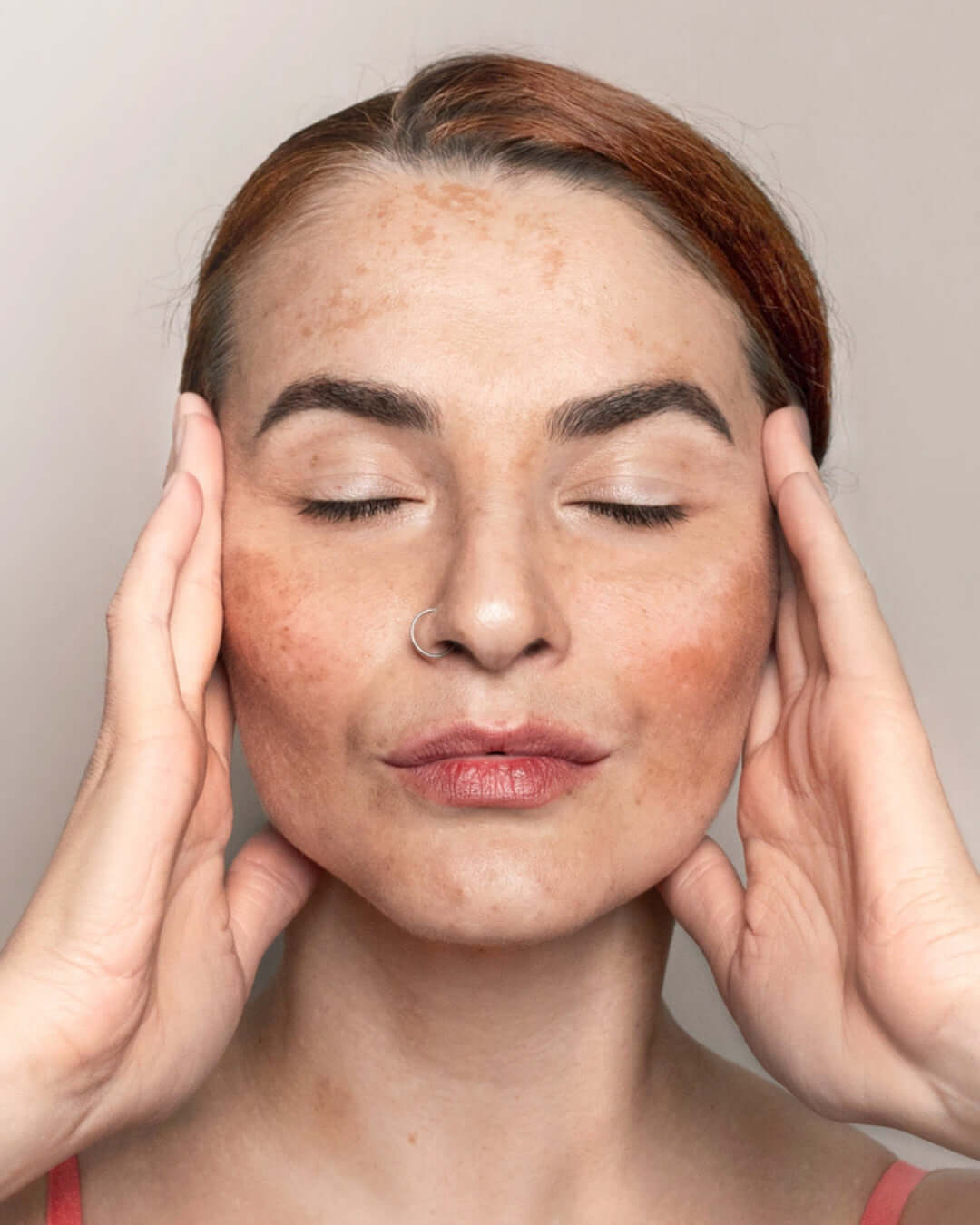
Melasma is a common, recurring pigment condition that appears as broader brown or grey-brown patches, usually across the cheeks, forehead or upper lip. It is influenced by hormones and light exposure and may become darker again even after it has improved. The most appropriate melasma treatment is usually a gentle, personalised plan built around careful assessment, daily protection and treatments chosen for the way your skin behaves. Aggressive treatments can often worsen melasma.
Key takeaways
Melasma is a chronic pigment condition in which areas of skin produce more melanin than the surrounding skin. It usually appears in a symmetrical pattern on sun-exposed parts of the face and may be called chloasma, or the “mask of pregnancy” when it develops during pregnancy.
Unlike one isolated mark, melasma tends to be broader, patchier and more likely to return. The pattern may soften for a time and then become more visible again when hormonal, light, heat or inflammatory triggers are active. This is why it is more accurate to speak about improvement and long-term control than permanent removal.
The important question is not only what started the melasma, but what may still be keeping it active. Hormonal influences may change, but light exposure, heat and irritation can remain part of everyday life. That is why improvement can be followed by another flare and why maintenance is part of melasma care rather than an afterthought.
Not every brown mark on the face is melasma. An isolated sun spot, brown spots left after inflammation and a broad symmetrical melasma pattern may look similar at first glance, but they do not necessarily respond to the same approach.
Melasma is particularly sensitive to light, heat and inflammation. A treatment that may be reasonable for another pigment concern can be too stimulating for melasma-prone skin, especially if the skin is reactive or the treatment is not matched carefully to skin tone. Assessment matters because the diagnosis, pattern, likely depth of pigment, skin sensitivity and previous treatment response all influence what is appropriate.
For smaller individual marks or more general uneven tone, see general pigmentation & dark spots. For isolated light-related spots, see sun spots & sun damage.
Many people understandably search for how to get rid of melasma or the best treatment for melasma on the face. There is no single answer that is right for every patient. A safe plan usually begins with four questions.
The balance of hormonal, light, heat and inflammatory triggers differs from person to person. Understanding when the patches appeared and what makes them darker helps shape the plan.
Skin that stings, reddens or becomes inflamed easily may need a slower approach. Persistent irritation is not a sign that treatment is working more effectively; it can make melasma more difficult to settle.
Current skincare, previous prescriptions, peels, laser or light treatments, and any history of rebound darkening are clinically relevant. A treatment that was tolerated by someone else may not be right for your skin.
For one person, the first step may be improving daily light protection. For another, it may be simplifying an irritating routine, introducing selected home care or considering a structured program. The aim is to stabilise the skin before chasing a rapid change.
Pregnancy is a common hormonal trigger for melasma, which is why it is sometimes called the “mask of pregnancy.” During pregnancy and breastfeeding, the focus should remain gentle and protective, and treatment choices need to be reviewed individually.
Some products and procedures that may be considered at other times are not suitable during pregnancy or breastfeeding. Do not begin or continue active pigment treatment without appropriate medical advice.
Melasma usually changes gradually over months rather than days. Progress may mean the patches look less obvious, flares happen less often, the skin settles more quickly, or the pigment remains stable through a season when it would previously have darkened.
Some recurrence is common. The goal is not to promise that melasma will never return, but to reduce its visibility, understand its triggers and give the skin a plan it can tolerate over time. Consistency is usually more helpful than repeatedly changing products or escalating treatment whenever the pigment fluctuates.
A complimentary consultation is useful even when you are not sure whether the pigment is melasma or which treatment you want. You do not need to arrive with a solution in mind.
Dr. Kate will typically review:
She will assess the pattern and likely depth of the pigment and consider whether another pigment concern may be contributing. The first recommendation may be to simplify your routine, strengthen protection, introduce selected home care, discuss physician-directed options, consider the Merrion program or postpone in-clinic treatment until the skin is calmer.
For patients in Oakville, Burlington, Mississauga, Milton and the wider west GTA, the aim is the same: a clear, medically guided plan that is realistic for your skin and does not push it harder than necessary.
This information is for general education and is not a substitute for a personalised medical assessment, diagnosis, prescription or treatment plan. Individual suitability for melasma skincare, prescription options and in-clinic treatment should be assessed by a qualified clinician.
Pregnancy, the contraceptive pill and other hormonal changes are common triggers.

Daylight can stimulate pigment activity, including after the patches have begun to fade.

Heat may contribute to flares for some people, even without direct sun exposure.

A family tendency is common, and melasma occurs more often in deeper skin tones.

Harsh products or overly aggressive procedures can provoke the skin and sometimes make the pigment darker.
Medical treatment for melasma is not one fixed protocol. Depending on that assessment, the plan may include one or more of the following.
At our medical aesthetics clinic in Oakville, melasma treatment begins with assessment rather than a standard package. Dr. Kate reviews the pattern of pigment, likely triggers, skin tone, sensitivity, current skincare, previous treatments, pregnancy or breastfeeding status where relevant, and what you are hoping to improve.

A structured melasma control program

Laser and light-based treatment

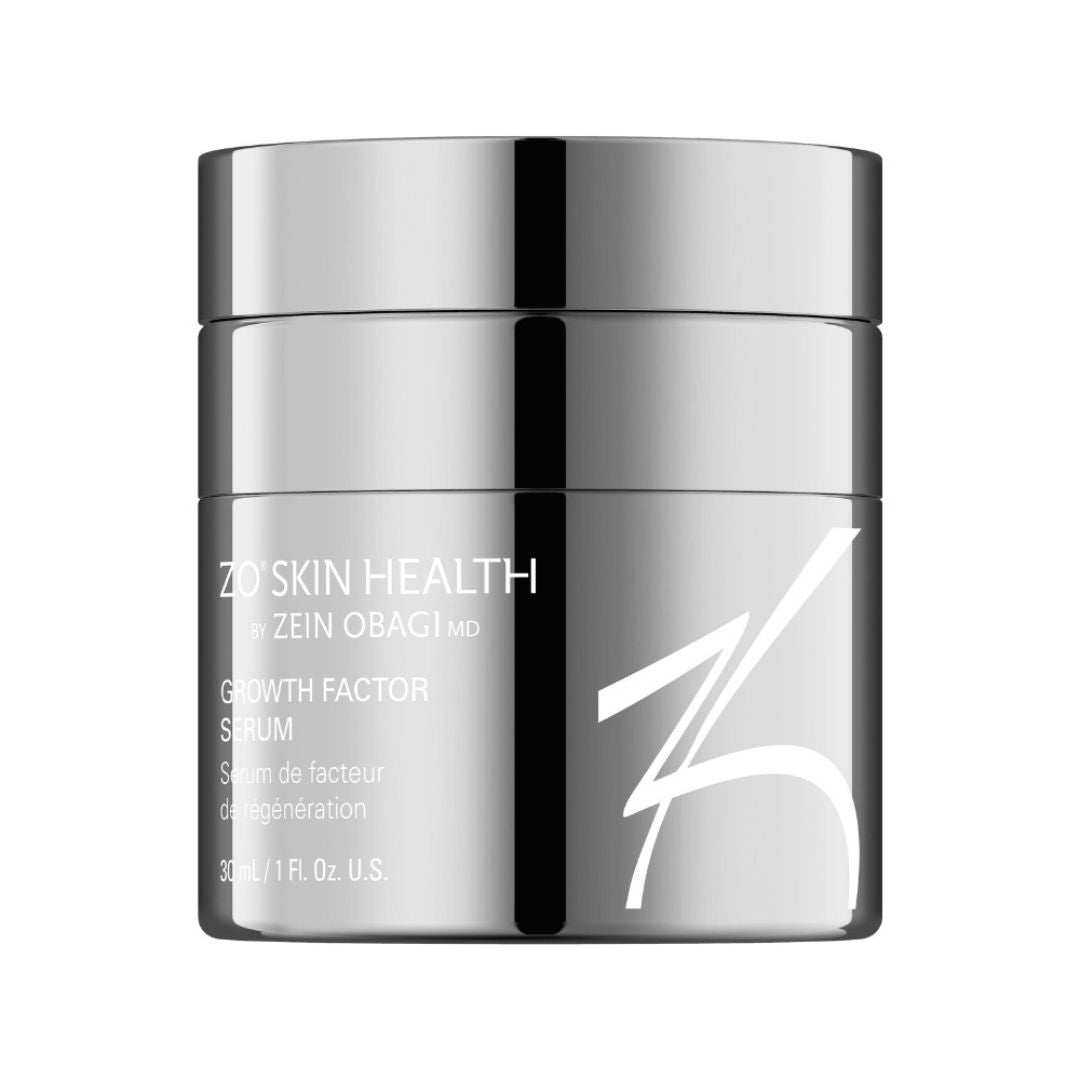
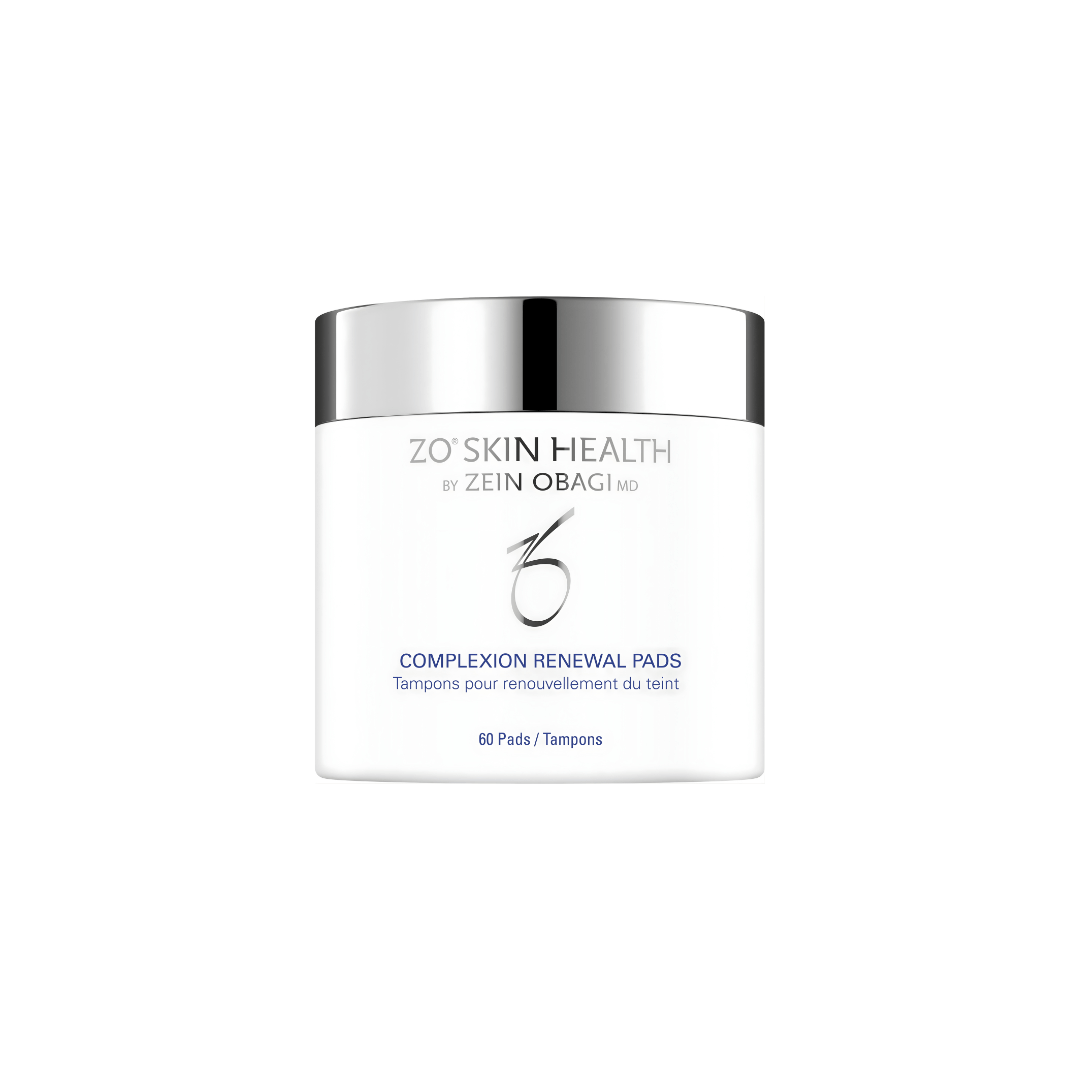
Melasma-supporting skincare

Long-term protection and maintenance
A cautious, long-term approach to stubborn facial pigmentation.




Not sure where to begin?
Book a complimentary consultation with Dr. Kate for a physician-led assessment and a plan matched to your skin.