Acne is a common skin condition in which pores become blocked by oil and dead skin cells, then inflamed — producing blackheads, whiteheads, red spots and, sometimes, deeper cysts.
It can appear at any age and rarely looks the same on two people. This page is for anyone trying to understand their breakouts and which treatment approach may be most appropriate.
What is Acne?
Acne develops when the small channels that carry oil to the skin's surface become blocked. Oil (sebum) mixes with dead skin cells, bacteria contribute to inflammation, and the result shows up in several forms — often more than one at once.
-
Comedonal — blackheads and whiteheads; clogged but not especially inflamed, common across the forehead, nose and chin.
-
Inflammatory — red, tender papules and pus-filled pustules.
-
Cystic — deeper, painful nodules and cysts that carry the greatest risk of scarring.
-
Hormonal — breakouts, often along the jawline and chin, that flare in a cyclical pattern.
Adult Acne and Hormonal Acne: Why Breakouts Can Continue After the Teen Years
Adult acne is acne that either continues beyond the teenage years or appears for the first time in adulthood. It can be frustrating because it often behaves differently from teenage acne — sometimes flaring around menstrual cycles, stress, pregnancy, perimenopause, medication changes, or shifts in skincare and lifestyle.
Hormonal acne is one common pattern of adult acne. It often appears along the chin, jawline, lower face, neck, chest, or back, and it may flare in a cyclical way. That said, hormonal acne is not always separate from “regular acne.” Hormones can influence oil production and inflammation, but blocked pores, bacteria, skin-barrier irritation, product use, and genetics can all play a role too.
This is why self-diagnosis can be difficult. Two people may both describe “hormonal acne” but need very different plans. One may have mostly clogged pores, another may have inflamed cystic acne, and another may have a look-alike condition such as rosacea or folliculitis. A proper assessment helps clarify the type of acne, the likely triggers, and whether your skin needs a home routine, an in-clinic acne treatment program, prescription guidance, or a combination approach.
For patients in Oakville and the west GTA, Merrion’s approach to adult acne and hormonal acne begins with understanding the pattern first, then building a plan around your skin rather than relying on trial-and-error products.
How to Get Rid of Acne: Why the Right Plan Depends on the Type of Acne
Many people search for how to get rid of acne because they are tired of guessing — changing cleansers, adding active ingredients, stopping products, restarting products, and still not knowing what is helping. The difficulty is that acne-prone skin is not all the same. Blackheads, whiteheads, inflamed spots, cystic acne, hormonal breakouts, post-acne marks, and acne scarring each need to be approached differently.
A safe acne plan usually starts with three questions:
What type of acne is present?
Comedonal acne, inflammatory acne, cystic acne, hormonal acne, and adult acne may need different levels of care.
What is making the skin more reactive?
Harsh exfoliation, too many active ingredients, heavy products, friction, stress, and barrier damage can all make acne-prone skin harder to manage.
What is the main goal right now?
The priority may be calming active breakouts, reducing clogged pores, preventing cysts, fading post-acne marks, improving texture, or building a routine that is easier to maintain.
Acne treatment rarely works overnight. Most plans need at least eight to twelve weeks before the full effect can be judged, because the skin needs time to complete several renewal cycles. Post-acne marks and texture changes often take longer than active spots to improve.
For mild breakouts, a consistent skincare routine may be enough. For persistent adult acne, painful cystic acne, acne that is leaving marks, or acne that keeps returning despite over-the-counter products, a clinic assessment is often the safer next step.
What to Expect From an Acne Consultation
An acne consultation is for patients who want to understand their skin before committing to a treatment or buying another set of products. It is especially useful if you are unsure whether you have hormonal acne, adult acne, cystic acne, acne-prone skin, post-acne marks, or a different condition that looks like acne.
During the consultation, Dr. Kate will typically review:
- When your breakouts started and how they have changed.
- Where acne appears on your face or body.
- Whether flares seem linked to cycles, stress, pregnancy, perimenopause, products, friction, or other triggers.
- What skincare, prescriptions, supplements, or treatments you have already tried.
- Whether your skin is oily, dry, sensitive, reactive, or easily irritated.
- Whether the main concern is active breakouts, marks, scarring risk, texture, or confidence.
The assessment also helps separate acne from conditions that can look similar, such as rosacea, folliculitis, irritation, or product-related congestion. These are managed differently, which is one reason a personalised assessment can be more useful than continuing to guess.
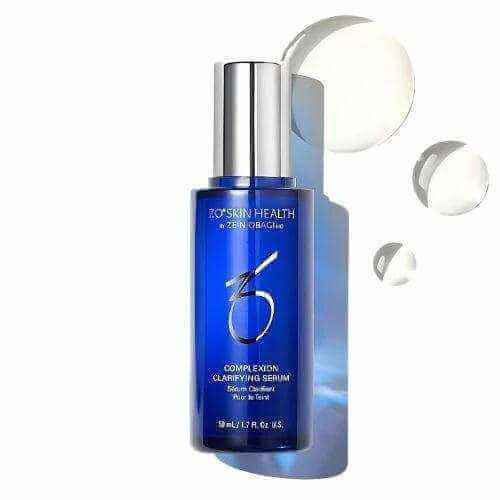
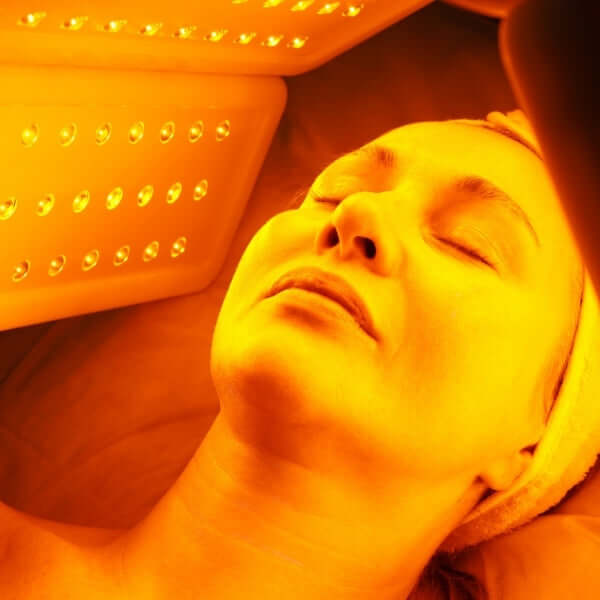
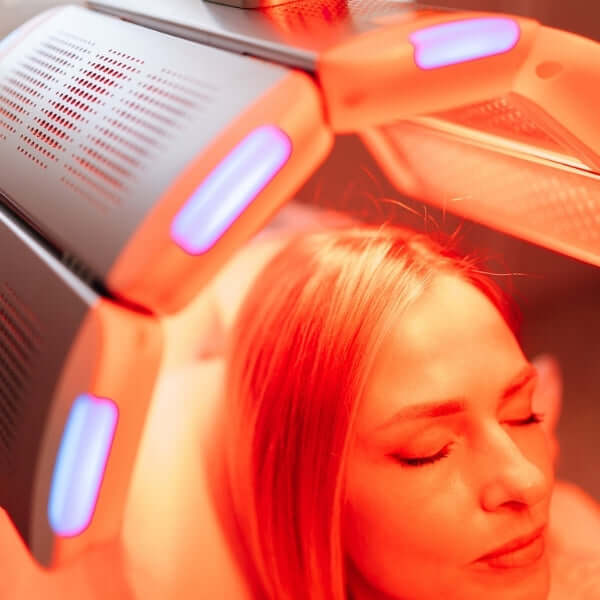
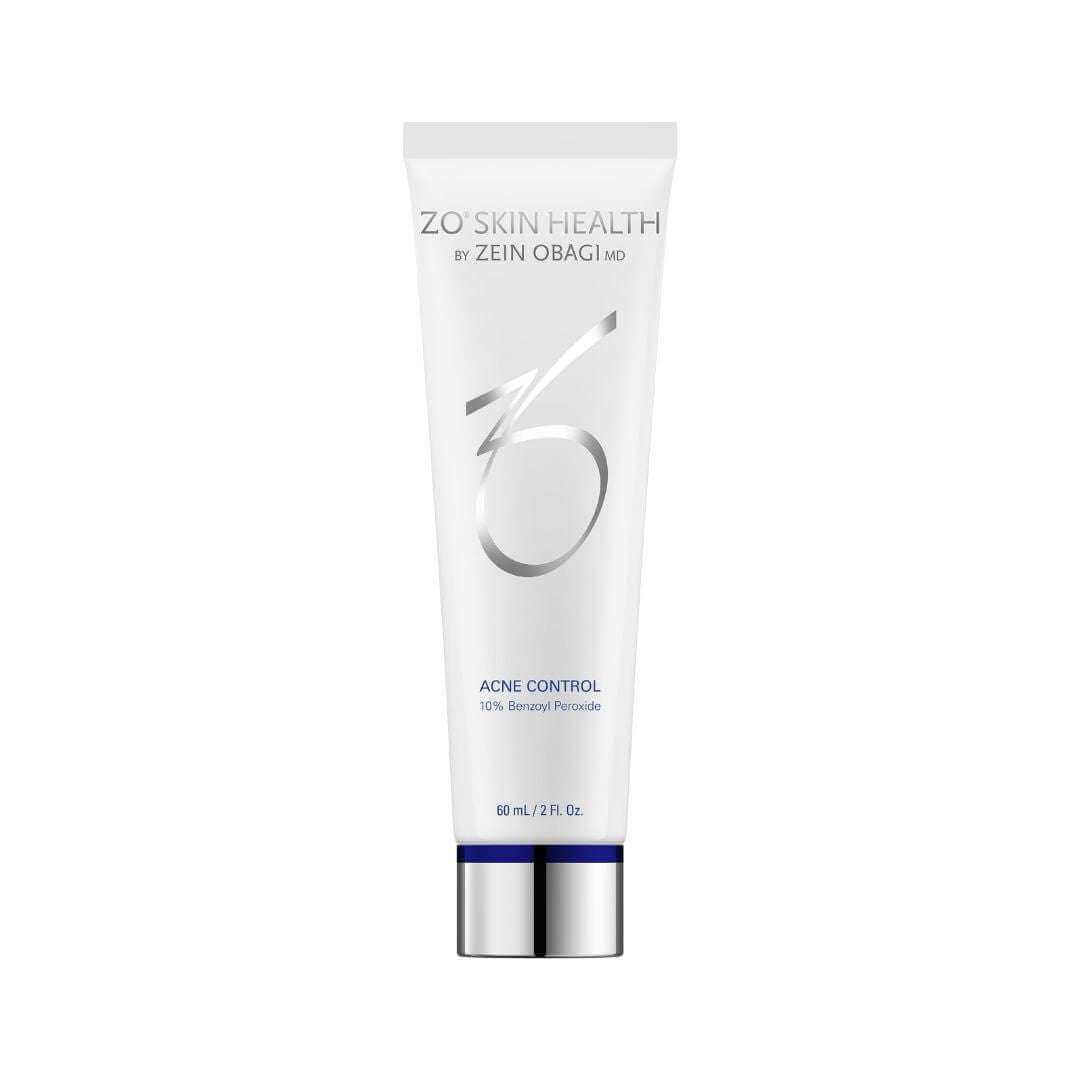
You do not need to know which treatment you want before booking. The consultation is meant to give you direction. For some patients, the first step may be simplifying skincare. For others, it may involve medical-grade products, an acne treatment program, LED therapy, prescription discussion, or a staged plan for post-acne marks and scarring, which may include microneedling or laser treatment, once active breakouts settle.
Especially if you live in Oakville or the west GTA and can visit in person, our goal is a practical, physician-led plan that feels clear, safe, and realistic for your skin.