Microneedling for Acne Scars: What It Can and Can't Do
Medically reviewed by Dr. Kate Healy, MB BCh BAO, MICGP, CFPC – 1 November 2026
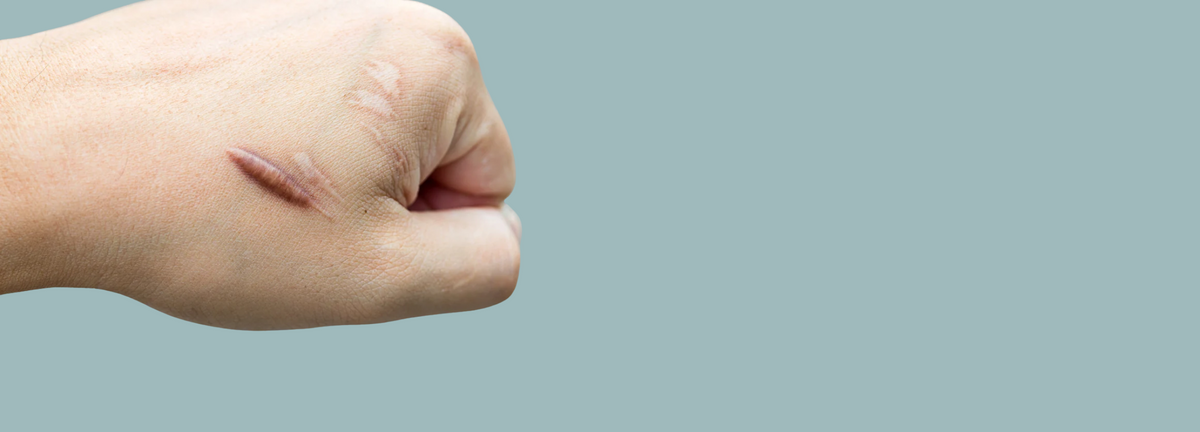
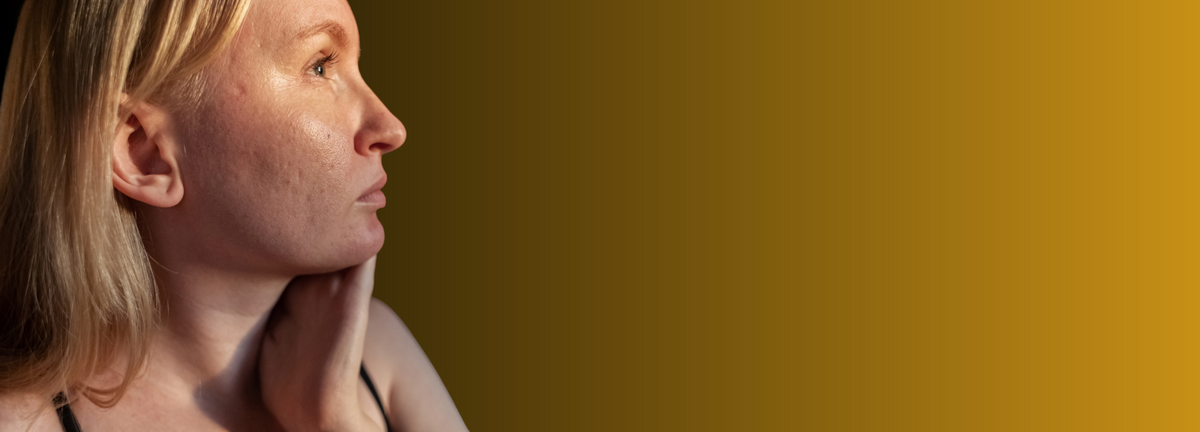
Microneedling can soften some acne scars, particularly rolling and shallow boxcar scars, by prompting the skin to build new collagen. It works gradually over a series of sessions and is less effective for deep ice-pick scars or scars tethered to deeper tissue. The realistic aim is shallower, less noticeable scars rather than smooth skin.
If you are considering microneedling for acne scars, you are probably weighing up whether your scars are the kind it can help, how many sessions it may take, and what recovery involves. Merrion's page on acne scar treatment options sets out the wider plan, and our guide to acne scars vs acne marks explains the different scar types. This article focuses on where microneedling fits.
How microneedling works on acne scars
Microneedling uses a device with very fine needles to make many small, controlled channels in the skin. The skin treats these as minor injuries and responds with a healing process that includes new collagen and elastin. Over the following weeks and months, that remodelling can lift the floor of some indented scars and refine the surrounding texture.
Because the needles create channels rather than heating the skin, the surface heals quickly and the risk of pigment change is lower than with many heat-based treatments. Merrion's microneedling page describes the treatment itself.
Which acne scars may respond
| Scar type | What it looks like | Role of microneedling | Available at Merrion? |
|---|---|---|---|
| Rolling scars | Broad, soft depressions that give the skin a wavy look | Often helpful, especially where scars are not strongly tethered | Yes: after assessment |
| Shallow boxcar scars | Wider depressions with defined edges, not very deep | Can soften edges and reduce depth | Yes: after assessment |
| Deep boxcar scars | Steep-sided, deeper depressions | Limited on its own; often combined with other approaches | Discuss at assessment |
| Ice-pick scars | Narrow, deep pits | Limited; usually need a technique directed at each scar | Discuss at assessment |
| Red or brown marks | Flat colour, no change in surface | Not the main tool; time, sun protection and skincare come first | Discuss at assessment |
| Raised scars or keloids | Firm, raised scar tissue | Not suitable as a starting point | Discuss at assessment |
Most people have more than one scar type, so a plan may combine microneedling with other approaches. This table is a basis for discussion, not a way to decide on treatment yourself.
Why tethering and depth matter
Rolling scars can be tethered, meaning bands of scar tissue pull the surface down from below. Collagen stimulation at the surface does not release those bands, so a tethered scar may need subcision, a technique that frees the attachment beneath the skin, before microneedling can do much. Deep ice-pick scars are similar: their narrow, deep shape means that broad surface treatment rarely reaches the base. Our guide to treating acne scars and marks describes these techniques.
What the evidence shows
Microneedling has been studied for acne scars in several small trials. In one study of patients with skin types IV and V, five sessions reduced acne scar scores by close to half on average, and a randomised study found three monthly sessions gave improvement similar to a non-ablative fractional laser at six months.[1] A Cochrane review of acne scar treatments found that most trials were small and of low certainty, and none was strong enough to name a single first-line treatment.[2] Studies used different devices, needle depths and schedules, so their results describe what microneedling can do rather than predict an individual response.
How many sessions are needed
Most people need a series of sessions, usually spaced several weeks apart so the skin can recover and remodel between treatments. The number depends on the scar type, its depth and how your skin responds. Some softening may be visible within a few months, but collagen continues to remodel for 8 to 12 months, so the full effect of a course takes time to judge.[1] Our article on how often microneedling can be done looks at spacing in more detail.
What a session and recovery involve
A topical numbing cream is usually applied first, and the treatment itself takes a short time once the skin is numb. Afterwards the skin is typically red, warm and tight, similar to a mild sunburn, for one to three days. Mild dryness or flaking may follow. Pinpoint bleeding during treatment is expected.
A few practical points help the skin heal:
- Keep skincare simple for the first few days, and avoid retinoids, exfoliating acids and scrubs until the skin has settled.
- Protect the skin from the sun, and avoid tanning before and after treatment.
- Avoid makeup, heavy exercise and saunas for the first day or as advised.
- Redness is not a measure of how well treatment is working, so there is no benefit in pushing for more.
Our guide to post-microneedling care covers aftercare step by step. Increasing pain, swelling, warmth or discharge after treatment needs prompt review, because these can be signs of infection.
When microneedling may not be suitable
Microneedling is usually postponed if acne is still active in the area, if there is a skin infection or cold sore, or during pregnancy and breastfeeding. A personal or family history of keloids, a tendency to raised scars, some bleeding problems and recent use of isotretinoin all need discussion first. When assessing suitability, Dr. Kate considers these together with your scar types, skin tone and how much recovery time you can manage.
Microneedling or laser?
Laser resurfacing is the other main option for indented acne scars. Microneedling tends to carry a lower risk of pigment change, while fractional laser treats the skin with heat and may suit some scars and skin types better. The two are sometimes combined in one plan. Our comparison of laser and microneedling for acne scars sets out how the choice is made.
A quick way to organise what you notice before a visit. It does not replace an examination.
For a scar plan matched to your skin, book a complimentary consultation with Dr. Kate.
Frequently asked questions
Does microneedling work for acne scars?
It can soften some acne scars, particularly rolling and shallow boxcar scars. It is less effective for deep ice-pick scars or tethered scars, and the degree of improvement varies between people.
How many microneedling sessions are needed for acne scars?
Most people need a series of sessions spaced several weeks apart. The number depends on the scar type and depth and on how your skin responds, and improvement continues for months after the last session.
What do acne scars look like before and after microneedling?
The usual change is gradual: scar edges soften, depressions become shallower and the skin reflects light more evenly. Scars are usually less noticeable rather than gone, and the change builds over months rather than appearing after one session.
Does microneedling for acne scars hurt?
A numbing cream is usually applied first, so most people feel pressure and mild scratching rather than pain. The skin may feel tender and warm for a day or two afterwards.
Can microneedling make acne scars worse?
When carried out appropriately, the risk is low. Infection, pigment change or, rarely, new scarring can occur, particularly if treatment is too aggressive, active acne is present or the skin is prone to keloids. This is one reason suitability is assessed first.
Is microneedling safe for darker skin?
Microneedling is often considered for darker skin because it does not rely on heat, and the risk of pigment change is lower than with many lasers. Darkening can still occur, so sun protection and gentle aftercare matter.
Sources
- Connolly D, Vu HL, Mariwalla K, Saedi N. Acne scarring: pathogenesis, evaluation, and treatment options. J Clin Aesthet Dermatol. 2017;10(9):12–23.
- Abdel Hay R, et al. Interventions for acne scars. Cochrane Database Syst Rev. 2016;(4):CD011946.
This information is educational and does not replace personalised medical assessment.