
Vitamin C for Skin: Benefits for Radiant, Younger-Looking Skin
Vitamin C skincare is praised for its anti-aging properties and the ability to help restore and maintain a radiant complexion.
If you are immersed in the world of skincare, you are likely to come across the term "vitamin C serums." Vitamin C is celebrated as a top-tier ingredient for supporting aging skin and is considered essential for achieving a smooth, even, and glowing skin tone. Here we are talking about Vitamin C for your skin. Yes, it is important in your diet, but also benefits your skin when applied in a high-quality product to your face and neck.
Continue reading to understand the reasons behind adding a vitamin C serum to your skincare routine, guidance on introducing a new product, and more.
Hydration Vitamin C accumulates in healthy skin and penetrates the skin effectively. It can hydrate by reducing trans-epidermal water loss (TEWL), enhancing skin moisture retention.
Collagen production Vitamin C is renowned for boosting collagen production, an essential protein depleting over time. Collagen synthesis relies on vitamin C as an essential cofactor. When collagen decreases, we get more fine lines and wrinkles.
Skin Brightening Vitamin C can help to fade pigmentation. By inhibiting melanin synthesis, vitamin C can fade hyperpigmentation such as sunspots and age spots. It is commonly used in dermatology for reducing pigmentation in hyperpigmented areas.
Skin redness Vitamin C's anti-inflammatory properties help soothe the skin and reduce puffiness. By neutralizing free radicals causing oxidative damage and optimizing the immune system, it contributes to a clearer and more even complexion.
Fight free radicals Vitamin C is rich in antioxidants and can protect our skin by neutralizing free radicals.
Safety Vitamin C has a particularly good safety record, and most individuals can use topical vitamin C for extended periods without adverse reactions. Concentrations typically range between 10% and 20% in skincare products to avoid minor skin irritation. Vitamin C also complements other skincare activities, including alpha hydroxy acids, retinols, and SPF.
How to Use a Vitamin C Serum Vitamin C serum is typically applied once or twice daily. Apply vitamin C serum before your SPF. The stability of vitamin C serums depends on formulation and packaging. The product should have a water-free formulation and an opaque, airtight bottle.
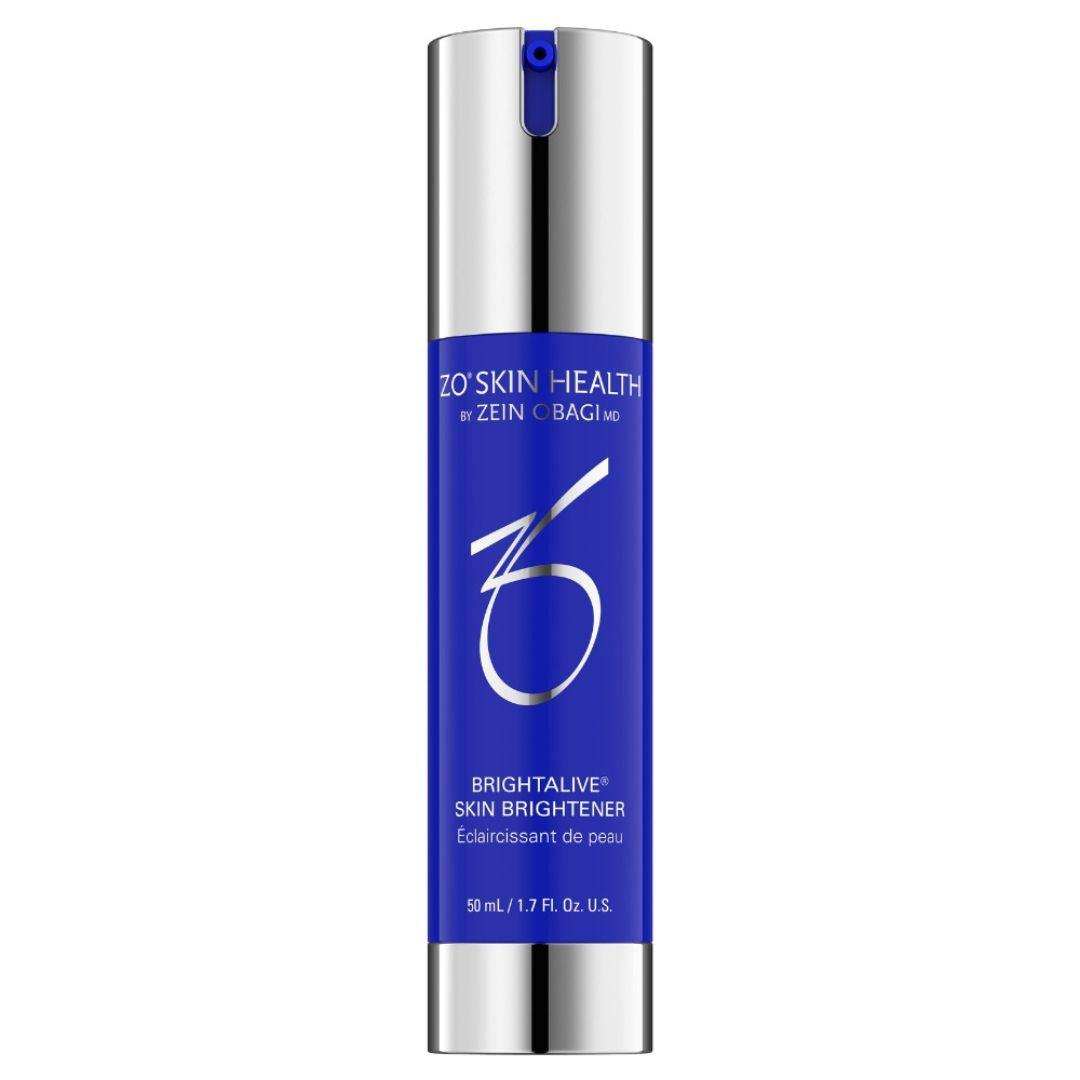
I love ZO Vitamin C Self-activating cream : beautiful to apply and has a fantastic airless pump to guarantee product quality right to the last drop. A bit of common sense: Individual reactions may vary, so pay attention to your skin's response and seek advice from your qualified skincare specialist.
Although irritation is uncommon, those with sensitive skin or those who are concerned may prefer to do a patch test before application and to introduce new products one at a time, spaced out by a few weeks, to avoid potential skin reactions.