Keloids and Hypertrophic Scars: What Raised Scars Are and How They Are Managed
Medically reviewed by Dr. Kate Healy, MB BCh BAO, MICGP, CFPC – 2026-10-05
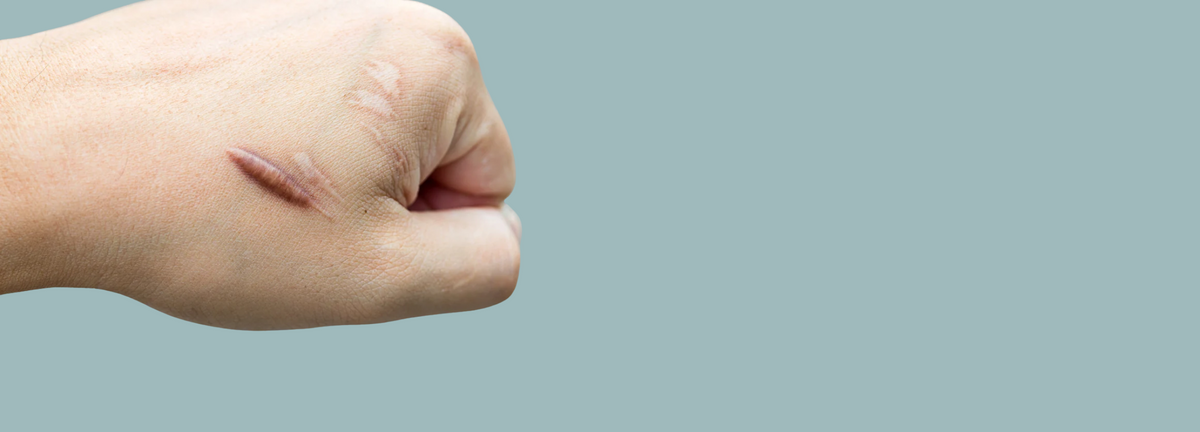
A keloid is a raised scar that grows beyond the edges of the original wound, while a hypertrophic scar is raised but stays within it. Hypertrophic scars often flatten slowly over time; keloids tend to persist and can keep growing. Both can be improved with treatment, but keloids often return, so the aim is to flatten and soften them and lower the chance of recurrence.
If you have a firm, raised scar after a piercing, surgery, acne or a minor injury, you are probably wondering which kind it is, whether it will settle, and what can be done without making it worse. Merrion's page on scarring and how it is assessed covers all scar types; this guide focuses on raised scars.
Keloid vs hypertrophic scar: the difference
| Hypertrophic scar | Keloid | |
|---|---|---|
| Where it sits | Within the boundary of the original wound | Spreads beyond the wound into surrounding skin |
| When it appears | Usually within weeks of the injury | Can appear weeks to months later, sometimes after a very minor injury |
| How it changes | Often flattens and fades over one to two years | Usually persists and may keep growing |
| Common sites | Anywhere, especially areas under tension such as joints and the chest | Chest, shoulders, upper back, earlobes, neck |
| Symptoms | May itch or feel tight | Often itchy or tender; can be firm and shiny |
| Response to treatment | Generally better | Improves, but recurrence is common |
Some raised scars sit between the two, and only an examination can tell them apart with confidence.[1] A lesion that looks like a keloid but appeared without an injury, grows quickly, bleeds or ulcerates needs medical assessment, because other skin growths can look similar.
What causes keloids and hypertrophic scars?
Both form when the skin produces too much collagen while a wound heals, and ongoing inflammation in the deeper layer of the skin appears to keep that process going. Several factors raise the risk:[1]
- Skin tension. Wounds on the chest, shoulders and upper arms, or across joints, are under more tension as they heal.
- Skin type and family history. Keloids are more common in people with darker skin types, and a family history suggests a possible inherited predisposition.
- The type of injury. Burns, surgery, infected or slow-healing wounds, deep acne, piercings, tattoos, insect bites and vaccinations can all trigger raised scars in prone skin.
- Age and hormones. Keloids are most common between puberty and around 30, and some people notice change during pregnancy.
Keloids after ear piercing
Earlobe keloids after piercing are among the most common. They usually appear as a firm, round lump on the front or back of the lobe, weeks to months after the piercing. Removing the earring does not make an established keloid go away. Re-piercing the same ear, or piercing other sites, carries a real risk of another keloid in someone who has already formed one.
Can keloids go away on their own?
Hypertrophic scars often improve without treatment, becoming flatter and paler over one to two years. Keloids rarely go away on their own. Some stop growing and stay stable; others continue to enlarge slowly. Treatment can flatten and soften a keloid and relieve itch, but none reliably prevents it from returning.[2]
Keloid and hypertrophic scar treatment
Treatment is usually chosen by the size, site and age of the scar, the symptoms it causes and your skin tone, and more than one approach is often combined. These are options a physician may discuss after an assessment.
- Silicone gel or sheets. Applied to a healed scar daily for several months, silicone may help flatten and soften raised scars and is often used after other treatment to lower the risk of recurrence.[1][3] Our guide to silicone scar sheets and scar care explains how to use them.
- Corticosteroid injection. A steroid injected into the scar, repeated every few weeks, can reduce thickness, itch and tenderness, and is a common first option for keloids. It can thin the surrounding skin or leave lighter patches, which may be more noticeable in darker skin.[2]
- Cryotherapy. Freezing can shrink smaller keloids, sometimes alongside steroid injection. It can leave permanent light spots, so it is used with caution in darker skin.[2]
- Pressure. Pressure earrings or garments, worn for many hours a day over months, are used particularly for earlobe keloids and after surgery.[2]
- Laser. Some lasers used in specialist settings can reduce redness and height, usually as part of a combined plan.[2]
- Other medicines. Injected medicines such as 5-fluorouracil are sometimes used for keloids that do not respond, under specialist guidance.[1]
Why "keloid removal" is rarely the whole answer
Cutting a keloid out on its own often leads to a new keloid, which is sometimes larger than the first.[1][2] For that reason, surgery is usually combined with steroid injection, pressure or, in some cases, radiotherapy, and is planned and carried out by a specialist. If it may be relevant, Dr. Kate can talk this through with you at your assessment and arrange referral where appropriate.
How to prevent keloids if you are prone to them
If you have had a keloid before, the most useful step is to avoid unnecessary skin injury in prone areas. That can mean thinking twice about new piercings or tattoos, especially on the earlobes, chest and shoulders, and telling any surgeon or clinician about your history before a procedure.[1] After surgery, early silicone or pressure is sometimes recommended for people at higher risk.
This matters for cosmetic treatment too. Procedures that create controlled injuries, such as microneedling for acne scars and laser resurfacing, need extra caution in keloid-prone skin, and a history of raised scars is one of the first things Dr. Kate asks about before planning any of them.
When to seek assessment
An assessment is worthwhile if a scar is raised, itchy or tender, if it is getting larger, or if you are unsure whether it is a keloid. Seek medical attention promptly if a raised lesion grows quickly, bleeds, breaks down or appeared without any injury. During an assessment, Dr. Kate considers the scar's history and behaviour, its site and your skin type before discussing options, including referral.
A quick way to organise what you notice before a visit. It does not replace an examination.
For an assessment of a raised scar, book a complimentary consultation with Dr. Kate.
Frequently asked questions
What is a keloid scar?
A keloid is a raised, firm scar that grows beyond the edges of the original wound. It forms when the skin keeps producing collagen after healing, and it can continue to grow slowly over time.
How do I get rid of a keloid?
A keloid can usually be flattened and softened rather than removed. Options a physician may discuss include steroid injection, silicone, pressure or cryotherapy, often in combination. Keloids can return, so ongoing care may be needed.
Are keloids genetic?
A family history of keloids is a recognised risk factor and suggests a possible inherited predisposition. Keloids are also more common in darker skin types.
Will a hypertrophic scar go away?
Hypertrophic scars often flatten and fade over one to two years without treatment. Silicone and other treatments may help them settle sooner or relieve itch and tightness.
Can I get my ears pierced again after a keloid?
Re-piercing carries a real risk of another keloid, especially in the same area. If you have had a keloid before, it is worth discussing this with a physician first.
Are keloids dangerous?
Keloids are benign (not cancerous), but they can be itchy, painful or restrict movement. A raised lesion that behaves unusually, grows quickly or bleeds should be checked, because other conditions can look similar.
Sources
- DermNet. Hypertrophic scars and keloids.
- American Academy of Dermatology. Keloid scars: diagnosis and treatment.
- O'Brien L, Jones DJ. Silicone gel sheeting for preventing and treating hypertrophic and keloid scars. Cochrane Database Syst Rev. 2013;(9):CD003826.
This information is educational and does not replace personalised medical assessment.